
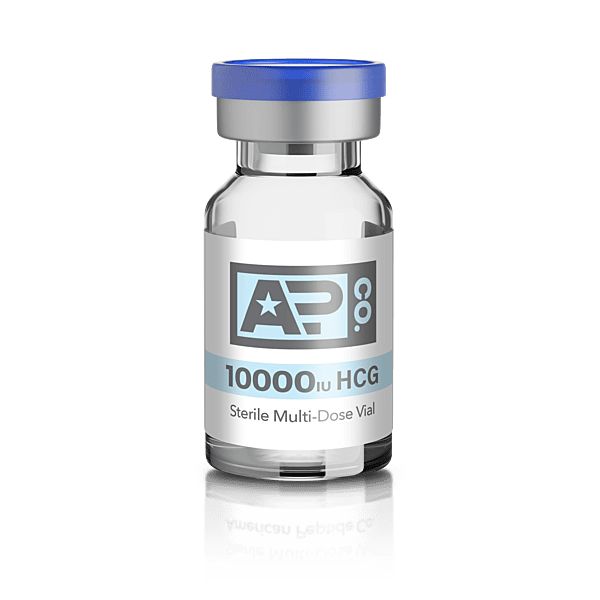
HCG (10000IU)
HCG (Human Chorionic Gonadotropin) is a glycoprotein hormone naturally produced during pregnancy. It binds to luteinizing hormone (LH) receptors and is widely used in reproductive endocrinology and fertility research.
About HCG
Human Chorionic Gonadotropin (HCG) is a glycoprotein hormone composed of an alpha and beta subunit. It is naturally produced by the placenta during pregnancy. Its structural similarity to luteinizing hormone (LH) allows it to bind LH receptors, which has made it a central tool in reproductive endocrinology research and clinical fertility literature.
Mechanism in Research Literature
HCG has been documented to:
- Bind LH receptors with high affinity due to shared receptor recognition with LH
- Stimulate Leydig cell testosterone production in male research models
- Trigger ovulation in female reproductive research
- Maintain corpus luteum function during early pregnancy
- Support testicular function and spermatogenesis in literature exploring HPG axis maintenance
Research Context
HCG has been investigated in studies exploring:
- Reproductive endocrinology and gonadotropin pharmacology
- Testicular function maintenance during exogenous androgen suppression
- Ovulation induction in fertility research
- HPG axis recovery research
- Receptor pharmacology of glycoprotein hormones
Related Research Peptides
HCG appears in literature alongside Kisspeptin (upstream GnRH/LH signaling), and broader hormone-axis research compounds including CJC-1295, Ipamorelin, Sermorelin, and Tesamorelin.