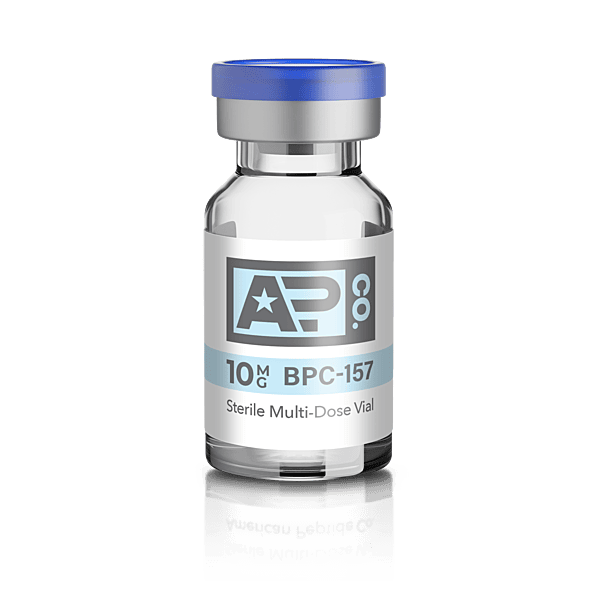
BPC-157 (10mg)
BPC-157 (Body Protection Compound-157) is a synthetic pentadecapeptide derived from a sequence in human gastric juice, extensively investigated in research for its effects on tissue repair, angiogenesis, and inflammation modulation.
About BPC-157
BPC-157 (Body Protection Compound-157) is a synthetic 15-amino-acid peptide derived from a fragment of a protective protein found in human gastric juice. It is one of the most extensively studied peptides in tissue repair research, with published work spanning multiple tissue types including tendon, ligament, muscle, gastric mucosa, vascular tissue, and nerve.
Mechanism in Research Literature
Research on BPC-157 has identified several mechanisms relevant to tissue repair:
- Upregulation of growth hormone receptor expression in injured tissue
- Promotion of angiogenesis (new blood vessel formation)
- Modulation of nitric oxide synthesis pathways
- Reduction of pro-inflammatory cytokine activity at injury sites
- Stimulation of collagen synthesis in connective tissue models
Research Context
BPC-157 has been investigated in studies exploring:
- Tendon and ligament healing in animal injury models
- Gastric mucosa protection and ulcer repair research
- Anti-inflammatory effects in inflammatory bowel disease models
- Wound healing dynamics including angiogenesis and granulation
- Neuroprotective effects in nerve injury models
Related Research Peptides
BPC-157 appears in research literature alongside other repair-focused compounds, most notably TB-500 (Thymosin Beta-4 fragment) and GHK-Cu, as well as growth hormone secretagogues investigated for tissue regeneration (CJC-1295, Ipamorelin, IGF-1 LR3).
For research and educational use only. Not for human consumption. Not intended to diagnose, treat, cure, or prevent any disease.